Concrete driveway building
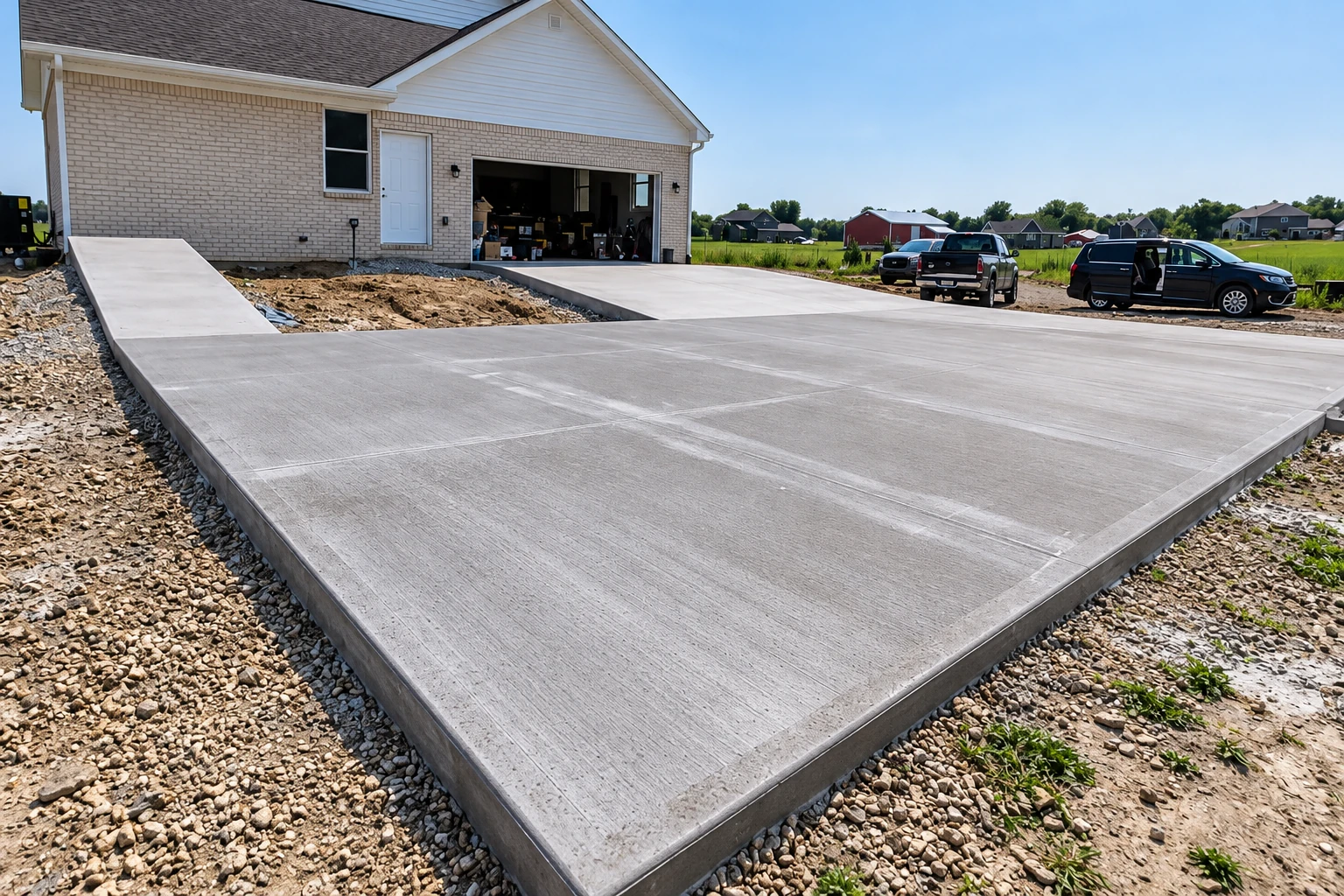
We break out cracked or sunken driveways, haul the old concrete away and pour a new slab. At the estimate, we'll tell you how long to keep cars off it.
Advantage Long Beach Concrete Company is a concrete contractor based in Long Beach that replaces cracked, sinking driveways, patios, walks and steps for homeowners and property managers in Compton, and pours new slabs and foundations there too.
Compton is mostly single-story houses on flat lots, many of them decades old. Long driveways often run back to detached garages, and property managers also call us about apartment buildings and small commercial lots. We come over from Long Beach for this work, the same as we do in Lynwood, Paramount and Signal Hill. The price moves with the size of the job, how much old concrete comes out, how much base work the ground needs and the finish you choose. The schedule turns on permits and on how long the slab has to cure before you use it, and your written estimate spells out both.
Driveways, patios and walks here, the flatwork we're best known for, have often been patched more than once, lifted by roots or settled over the years, so we plan to dig below the old slab. For a new slab foundation, there's one more thing to know. The state geological survey has mapped zones for liquefaction, where wet soil can lose strength in an earthquake, and for fault rupture, and those zones cross parts of the city. Ask the City of Compton whether your lot falls in one, because owners there may be asked to investigate the ground and deal with what they find during permitting.
The base is hidden on day one, so it's the first budget cut people suggest. I'd sooner trim the finish, because a slab on raked dirt settles right along with the dirt.
Before we set forms, we check where rain runs on your lot, because a slab that falls toward the house sends water against your foundation every time it rains.
I come out to look at each job and write the estimate myself. Our own crew does the work, and I'm usually there for the pour.
We break out cracked or sunken driveways, haul the old concrete away and pour a new slab. At the estimate, we'll tell you how long to keep cars off it.
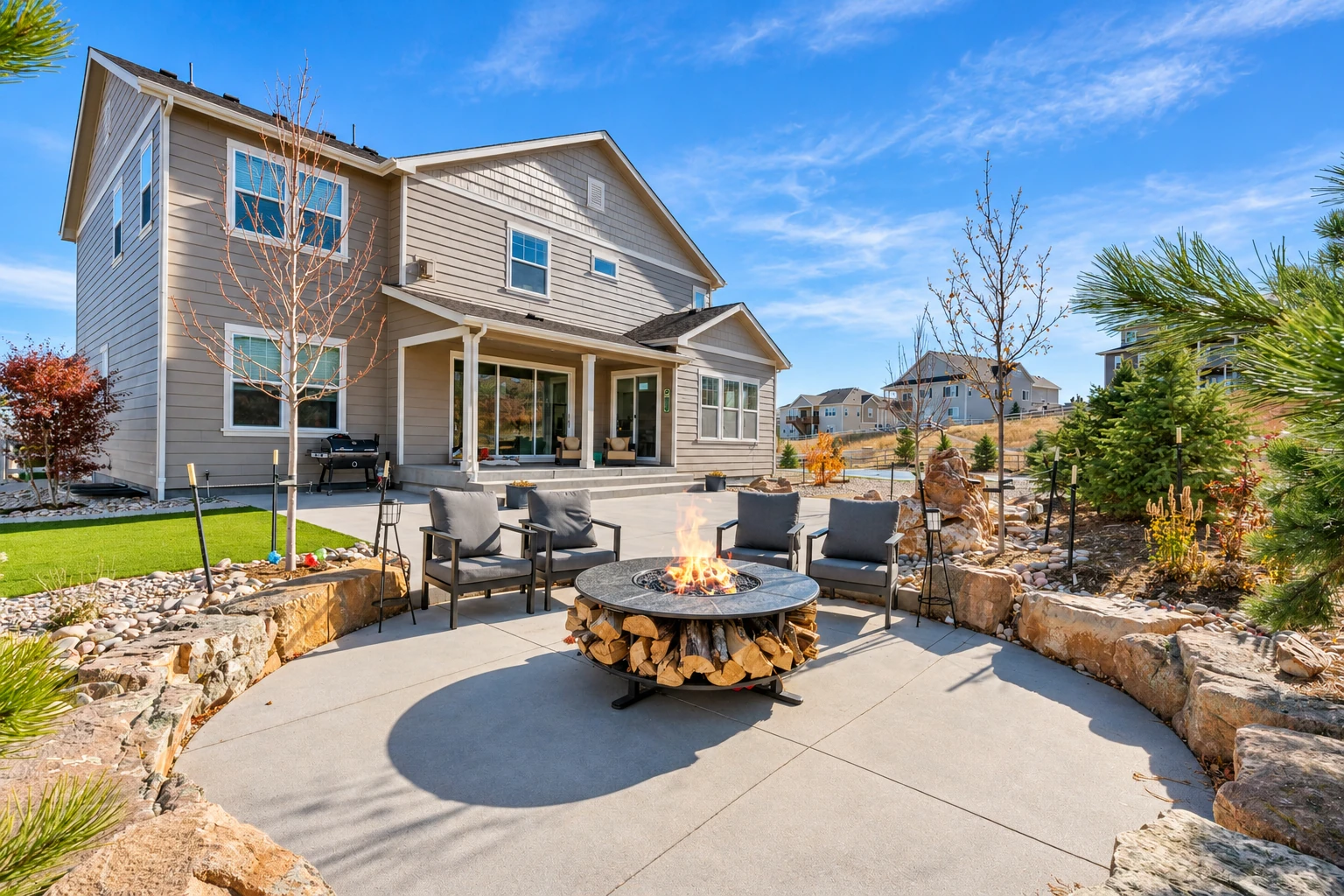
Many older backyard patios here have settled toward the house, so we set the new slab to fall away from it and carry rainwater out into the yard.
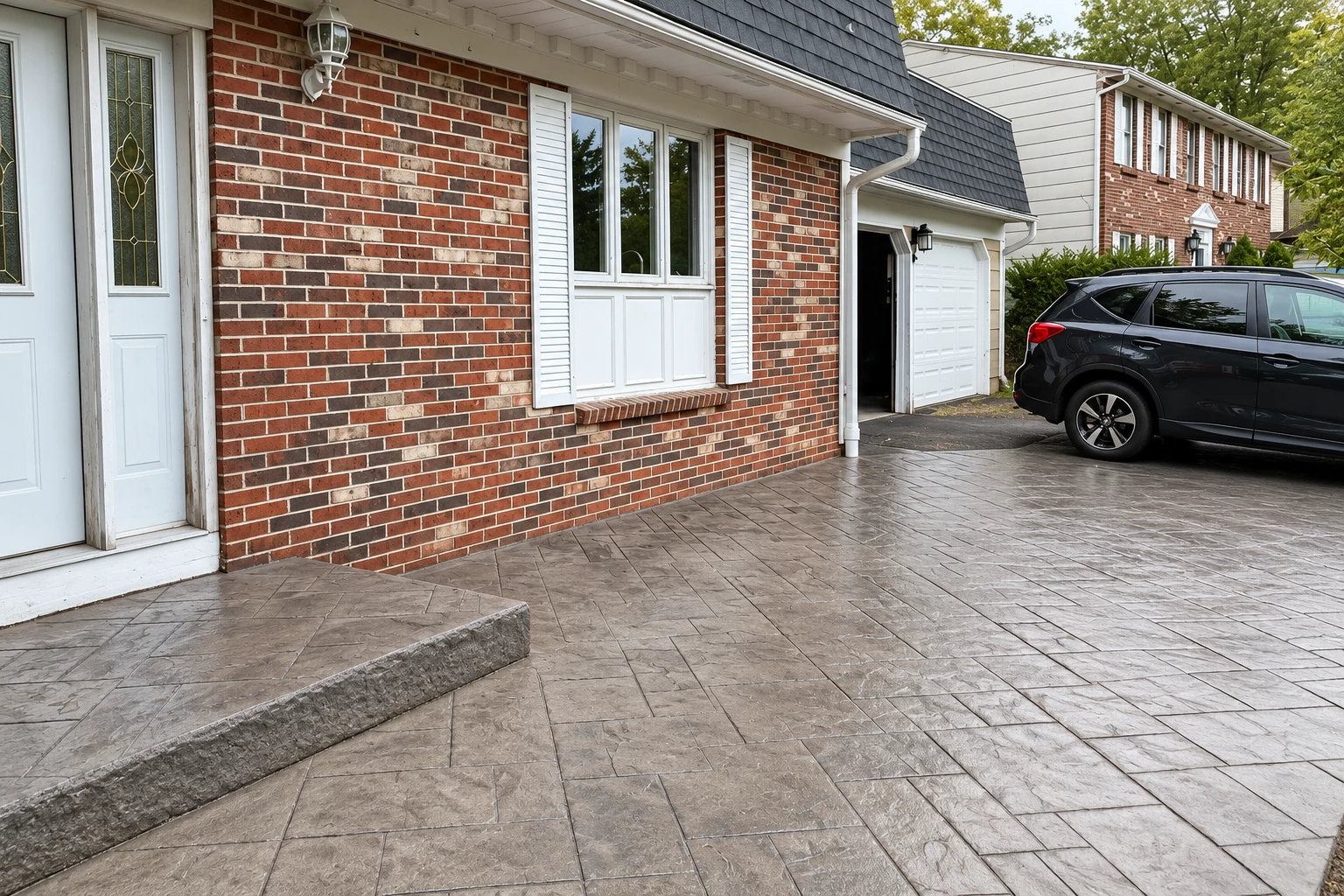
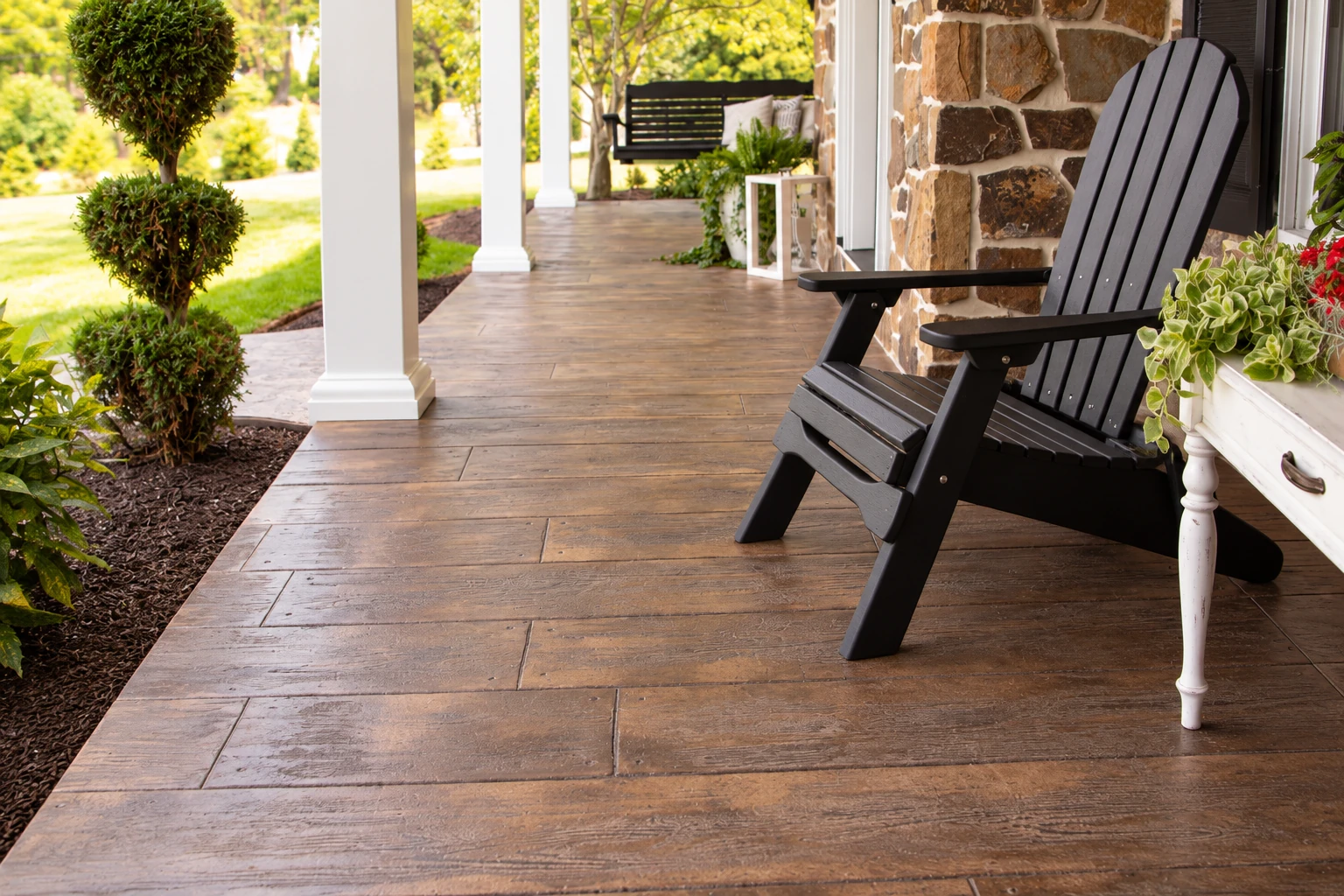
We press a pattern like stone or brick into the fresh surface. Because the window to stamp closes fast, we plan the pour around the day's heat.
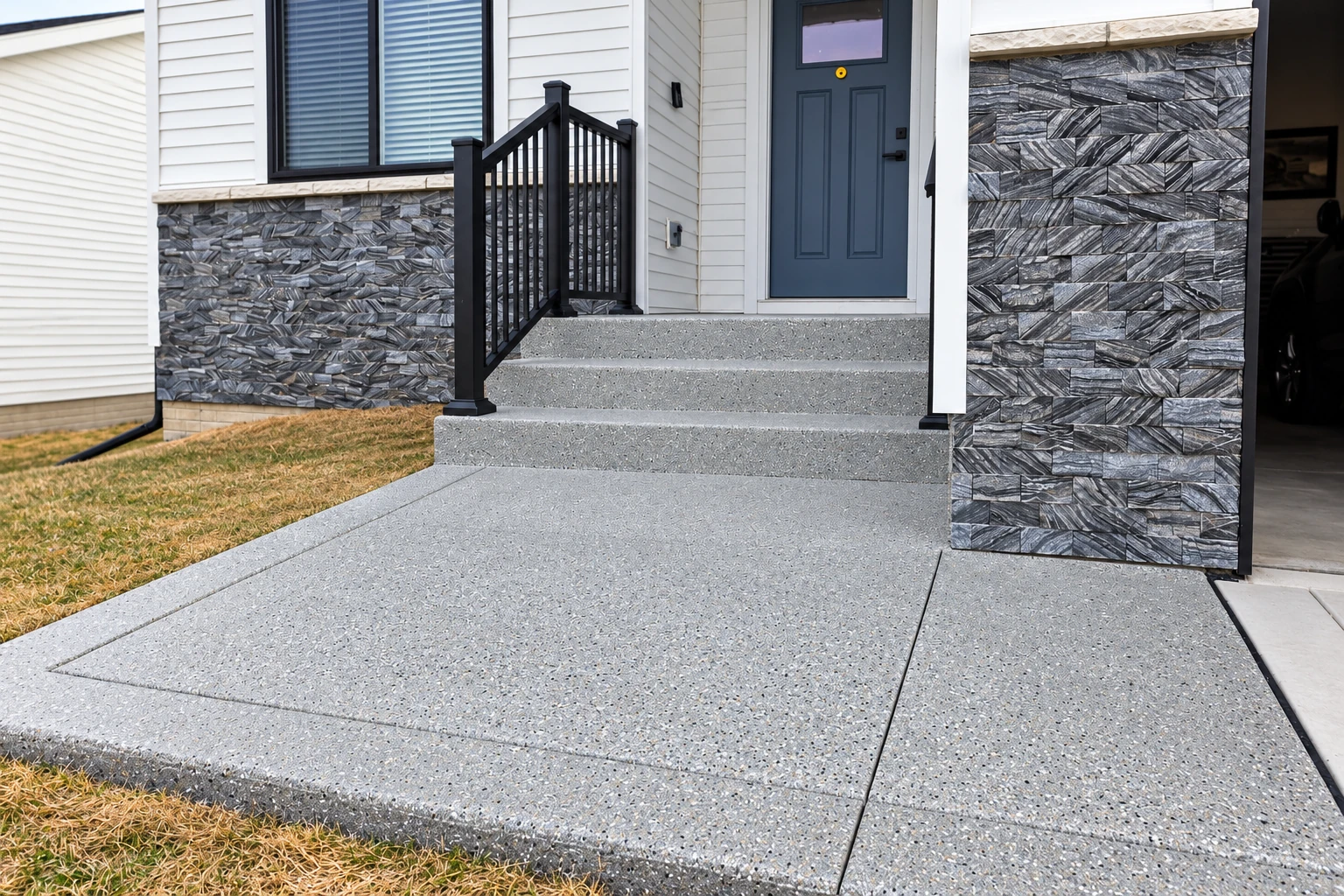
We replace walks lifted by tree roots or sunk at the joints. A broom finish, light grooves dragged across the top, gives the path grip when it's wet.
Older detached garages here often have cracked, uneven floors, so we break out the old slab, pack the base and pour a new floor with a slight fall toward the door.
Colored concrete, exposed aggregate and scored patterns can dress up a front walk or patio. Before you choose, we'll go over how each finish wears and cleans.
Where a yard steps down or a driveway cuts into a slope, we build walls on proper footings with drainage behind them, because trapped water is what pushes walls over.
We pour interior concrete floors for workshops, additions and commercial spaces. We check the base and moisture first so the floor sits flat and holds a covering well.
Around a pool we use a textured finish that grips wet feet, and we slope the deck away from the water so splash and rain drain off instead of standing.
Uneven or crumbling front steps are a tripping hazard, so we form new ones with even rises and rebar, steel bars inside that hold the concrete together as it ages.
We pour slab foundations for additions, garages and backyard units, starting with the subgrade, the soil the slab sits on, because a soft spot there shows up later as cracks.
For new homes, additions and garages, we dig and pour foundations to the approved plans. Forms and steel are ready before the inspector comes to look.
Property managers call us for apartment and business lots. We plan thicker sections and drainage for daily traffic, and we phase the work so tenants can keep some parking where possible.
Footings are the buried concrete under posts, walls and additions. We dig them to the depth and size the plans call for, since everything above rests on them.
When a slab or foundation has sunk and doors stick or floors slope, we look for the cause first. It's often water or soft soil, and we find it before raising and supporting the slab.
When only part of a driveway or walk comes out, we saw-cut clean edges so the rest stays intact. We also cut openings and trenches for plumbing or new doors.
Send us a few details and we'll reply within one business day to set up a visit. The estimate is free and done on site, with no obligation, so you can take your time deciding.
The estimate spells out the work clearly, from tear-out and base to finish. You'll know what you're paying for and can compare it fairly with another bid.
We're fully licensed and insured, which matters on jobs where the state requires a license. You're welcome to ask about either when I'm out at your house.
We take calls Monday through Friday from 7 AM to 9 PM and on weekends from 6 AM to 9 PM, so you can reach us after work.
Here are answers to questions Compton homeowners ask about permits, licenses and whether a new slab will hold up.
The city's Building and Safety department issues permits for new construction, alterations, repairs and improvements. The process is handled in person, with no online submittals or payments. Whether your driveway or patio needs a permit is a question for that office, so I ask them before pricing your job. When one is required, we handle the application and meet the inspector.
Yes. The city requires anyone doing business inside city limits, whether a company or an individual, to hold a business license and renew it every year. Every permit application also requires the applicant to hold a current one. It's a fair thing to ask any contractor about before you sign.
California's Contractors State License Board requires a license when a project needs a building permit, uses employee labor, or costs $1,000 or more in labor and materials combined. A job may be exempt only when it needs no permit, uses no employees and costs less than $1,000 in all. A crew that pours your driveway with paid workers needs a license.
A hairline crack can still show, because all concrete shrinks as it dries. The breaking and sinking you see now usually comes from a weak base or water underneath. Along with the base and slope work, we cut control joints, shallow grooves that give shrinkage a straight line to follow. We also keep traffic off while the slab cures and gains strength.
These cities have their own page on our site, and we work in many others around Long Beach. If you don't see yours listed, call or send the form and ask.
Thank you for considering us. When you call (562) 269-3293 or use the form, tell us what's cracking or sinking so I can come prepared.