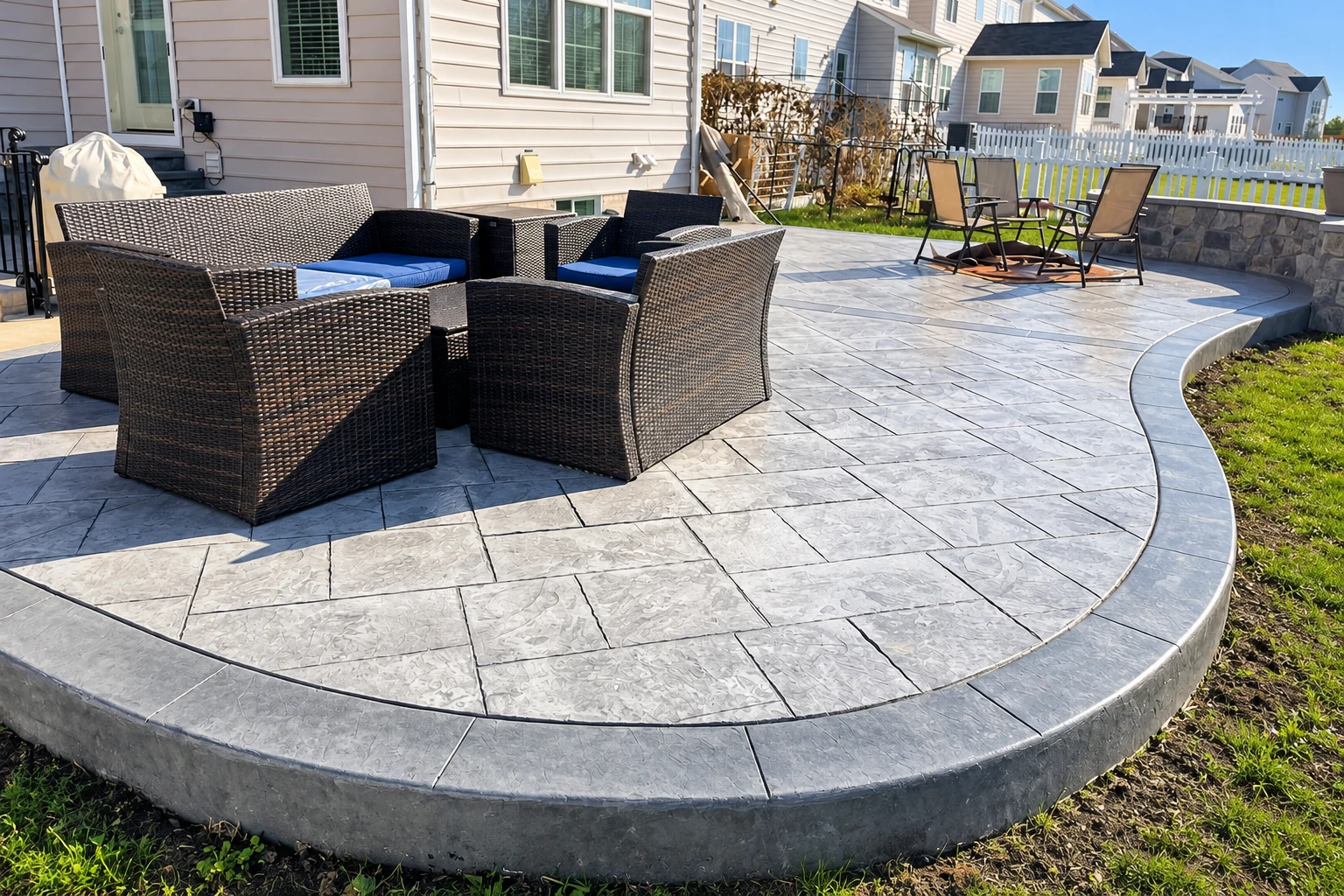
Concrete driveway building
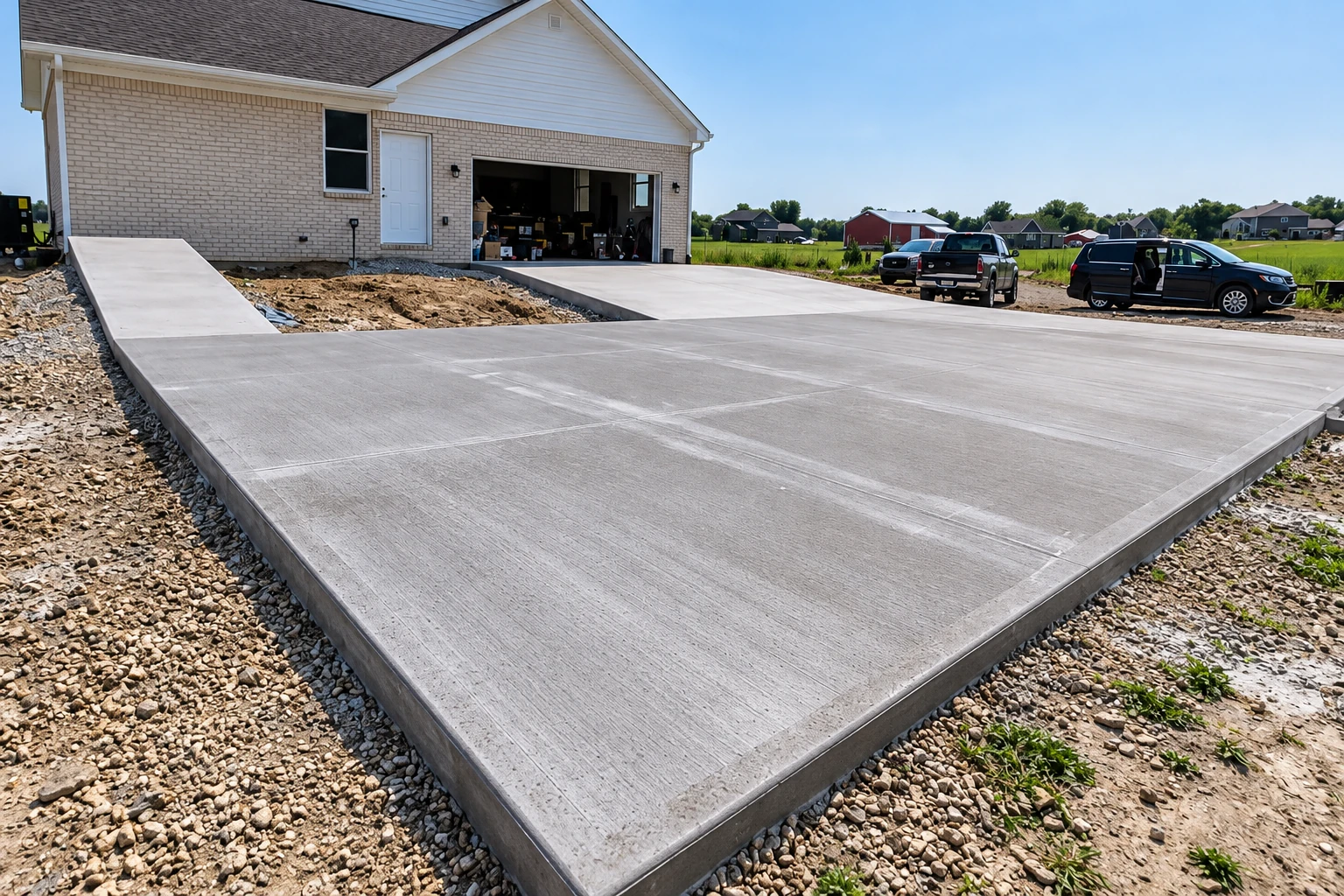
We dig out to firm ground, pack the base and set the slope so rainwater runs to the street, which matters when a Signal Hill driveway climbs from the curb.
Advantage Long Beach Concrete Company pours driveways, patios, walks, steps and slabs for homeowners and property managers in Signal Hill, CA, starting with a base and drainage planned for the slope of each lot.
Signal Hill is a short drive for us as a concrete contractor based in Long Beach, CA, and the hill the city is named for shapes most of the work we do there. Plenty of driveways climb or drop to the street, front walks step down across the yard, and a slab poured without a careful look at drainage can push rainwater toward a garage or a foundation. Homeowners call us here, and so do property managers, for walks, steps and parking areas. That's the same upkeep work I did for years before I started this business, and we bring the same habits to every city we serve, from Signal Hill out to Lomita.
Your price mostly follows the ground: how much old concrete comes out, how deep we dig, how much base the slope needs, the slab thickness, and any steps, walls or decorative finish. The schedule turns on what the city asks for before work starts and on curing time, and your written estimate spells the work out line by line. On a sloped lot, the part you'll never see, the base and the drainage, is usually most of the job.
When a budget gets tight, people want to trim the base because nobody sees it, but I'd rather you skip a fancy finish, since a slab on raked, unpacked dirt settles with it.
Before I price a job, we check with the city's permit office about what your project calls for, and when a permit is required, we file the application and meet the inspector on site.
I come out to look at each job and write the estimate, our own crew does the work, and I'm usually on site for the pour, when timing and finishing matter most.
We dig out to firm ground, pack the base and set the slope so rainwater runs to the street, which matters when a Signal Hill driveway climbs from the curb.
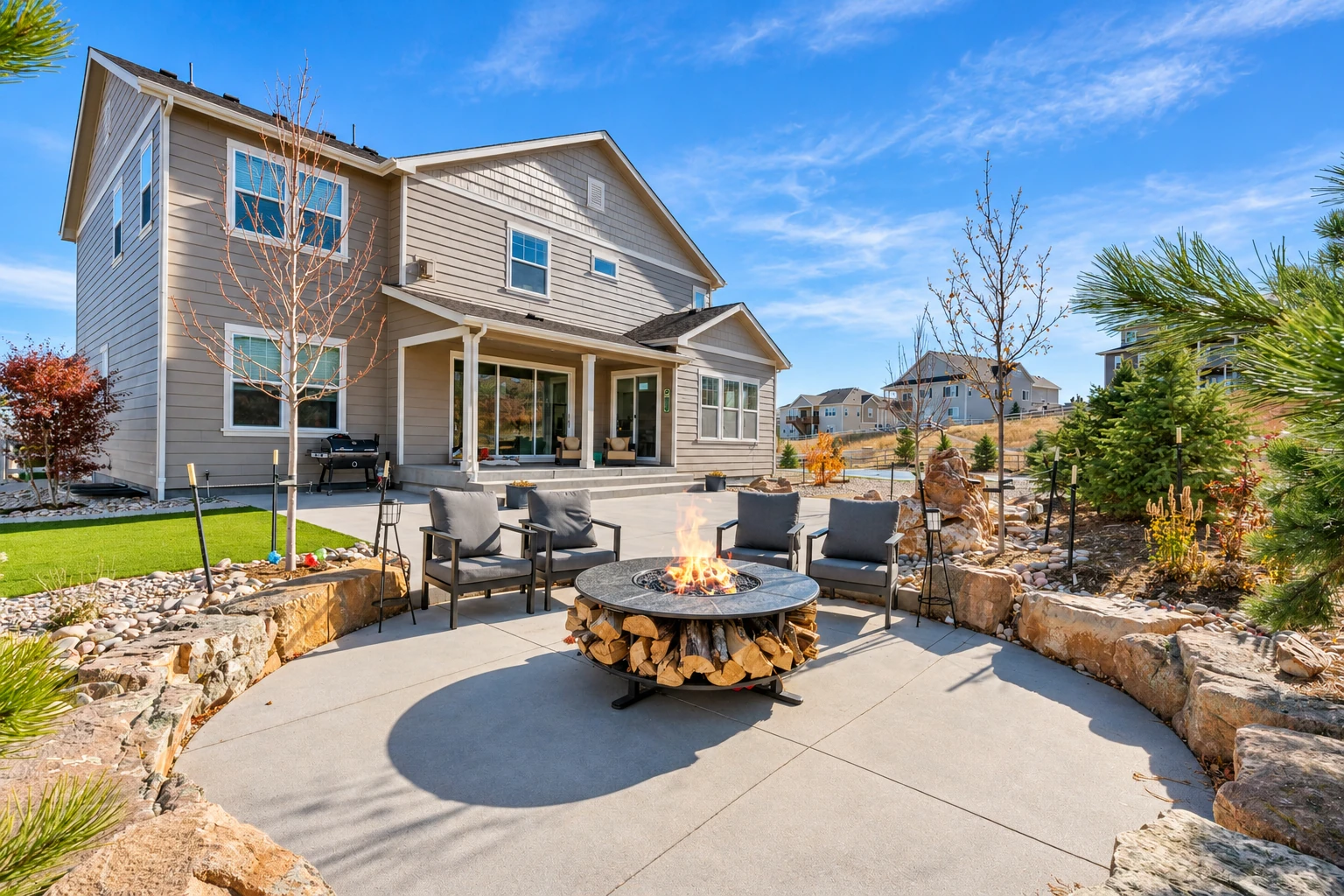
A patio should drop slightly away from the house so rain drains off, and we cut control joints, shallow grooves that give cracks a planned place to go.
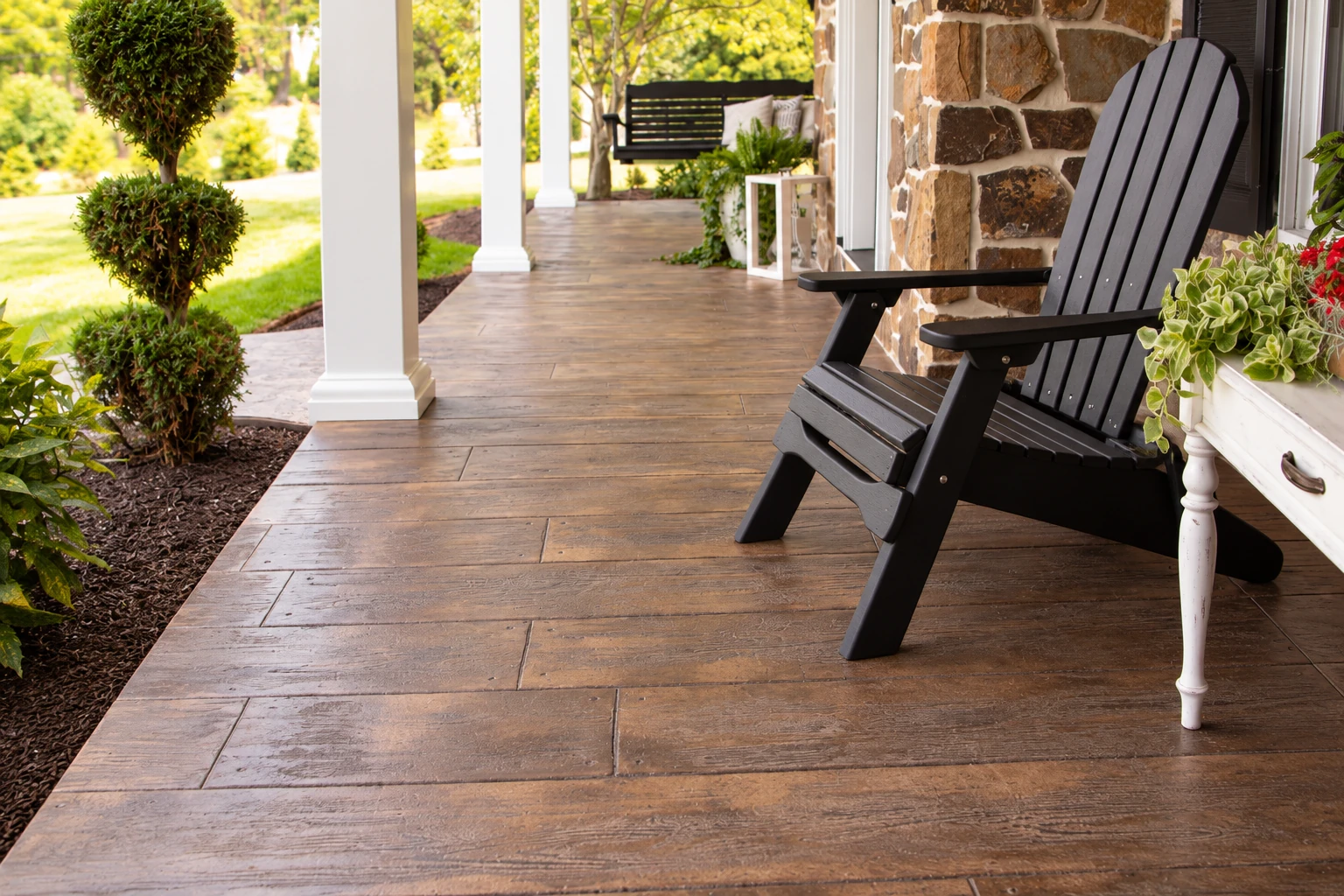
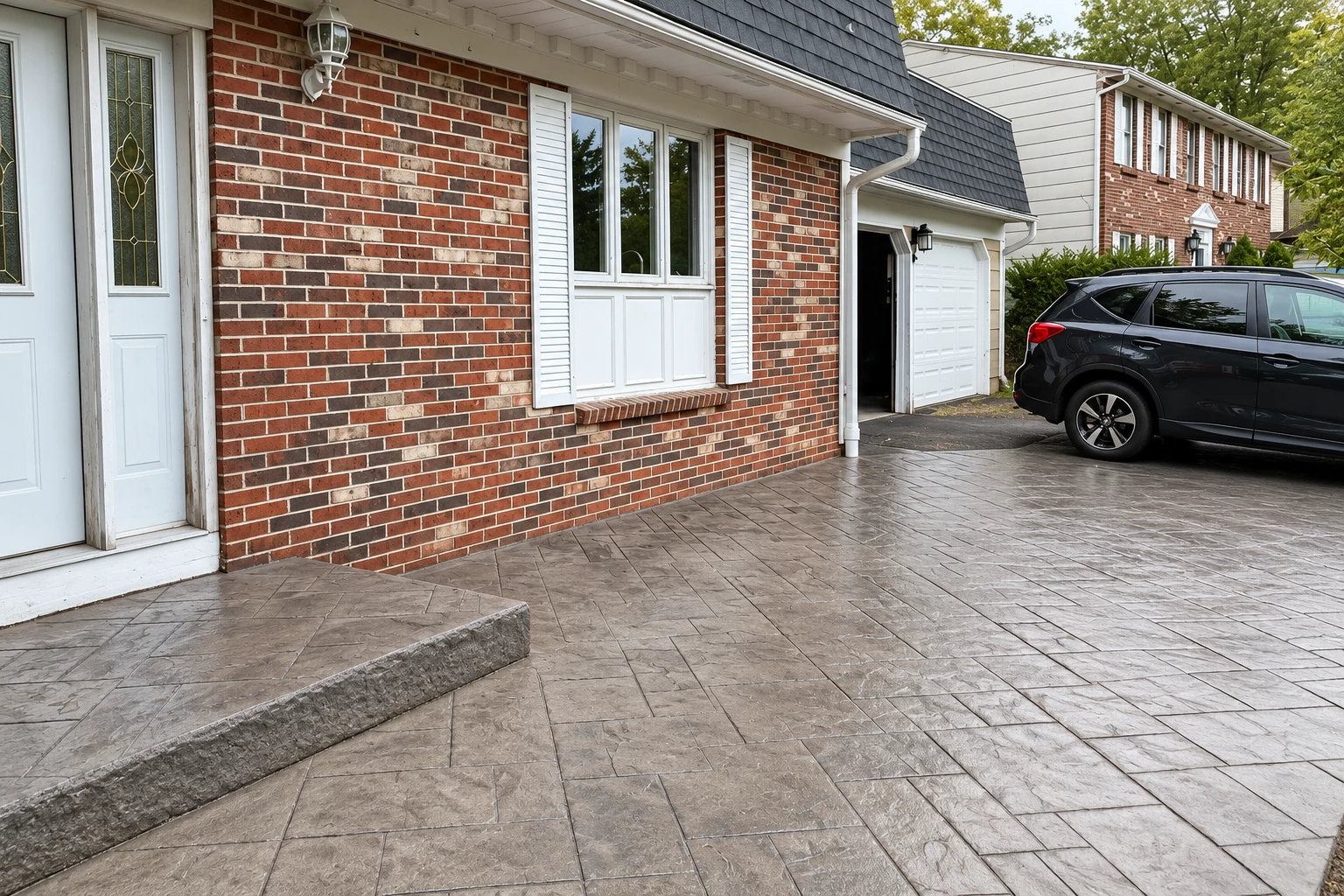
Pattern and color are pressed into a slab poured over the same dug-out, packed base as plain concrete, because no pattern can hide a slab that settles.
Where old walks have lifted or sunk into trip edges, we pour new ones with a broom finish, a brushed texture that grips underfoot on a slope.
We break out a cracked or uneven garage slab, rebuild what it sits on and pour a floor that drains toward the door instead of pooling under the car.
Exposed aggregate, color and scored patterns suit entries and front walks, and we show samples at the estimate so you know what a finish adds before choosing.
On sloped yards we build walls with proper footings and drainage behind them, because water trapped against a wall is usually what pushes it out of line.
We pour interior and shop floors level over a packed base, then leave time for curing, the wait that lets concrete gain strength, before anything heavy moves in.
Pool decks get a texture that holds bare feet and a slope that carries splash water away from both the pool edge and the house.
Hillside entries often need several steps, and we build them with even risers, since one step taller than the rest is what catches people's feet.
For additions and outbuildings, we form and pour slabs to the plans, with rebar, the steel bars that hold a slab together, set where the drawings call for it.
We dig, form and pour foundations for new structures and additions, checking the forms and steel against the plans before any concrete is ordered.
Property managers call us for lots and drive aisles, which we pour thick enough for the traffic they carry and, where the lot allows, in sections so tenants keep parking.
Footings for walls, posts and additions go in at the depth and size the plans give, because everything built above sits on what's in that trench.
When part of a slab or foundation has sunk, I look for the cause first, since lifting it without fixing the soil or water underneath usually only buys time.
We saw-cut clean edges to take out a damaged section or open a slab for a utility line, so the new concrete meets the old squarely.
Call or send the form, and we'll reply within one business day to set a time for me to come out. The estimate is free, done on site and given to you in writing, with no obligation to book.
Your estimate lists the demolition, digging, base, thickness, finish and any permit steps, so you can see where the money goes and compare it fairly with other bids.
If I can't answer a question for certain at your property, I'll tell you so, check with the right office and get back to you instead of guessing.
We take single driveways for homeowners and repair runs of walks and steps for property managers, and both get the same site visit and written estimate.
Here are answers to the questions we hear about concrete work in Signal Hill, from permits and oil wells to cracking.
The city exempts non-structural concrete flatwork from a building permit, though other rules can still apply. A driveway or walkway in a front or side setback, no higher than 30 inches, needs Planning Department approval, and grading, excavating, repaving and retaining walls need a permit. The city's Building Safety office issues those permits and accepts basic applications online.
It can, because many Signal Hill properties hold abandoned oil wells, and before the city issues a building permit, the state's oil and gas regulators must locate and evaluate the well on a city-approved site plan. For new buildings and large additions, the city also wants a methane assessment of the site. Tell me about any well at the estimate, and I'll check what applies.
It may show a few fine cracks, as most concrete does, but it shouldn't heave and break apart the way a slab on poor base work does. We dig out and pack the base, pour in the cooler part of the day so the top stays strong, and cut control joints on time so cracks land where we planned.
The city has a business license application just for businesses based outside Signal Hill, and it includes a fee line for general contractors. The city takes those applications and manages existing licenses online and by phone, so it's a fair question to ask any contractor before work starts.
Besides Signal Hill, these cities have their own pages, and we work in many others around Long Beach. If yours isn't listed, call and I'll tell you whether we can come out.
Thank you for considering us, and when you call, mention any old well or steep grade on your lot so I can check it first.