Checking the permit first
Long Beach Building and Safety issues permits for most construction, and its exempt list names unroofed walks and platforms 30 inches or lower, not patios, so we check yours with them before we price it.
If your backyard is bare dirt or a cracked, sinking old slab, we'll pour a patio with the finish and color you picked.
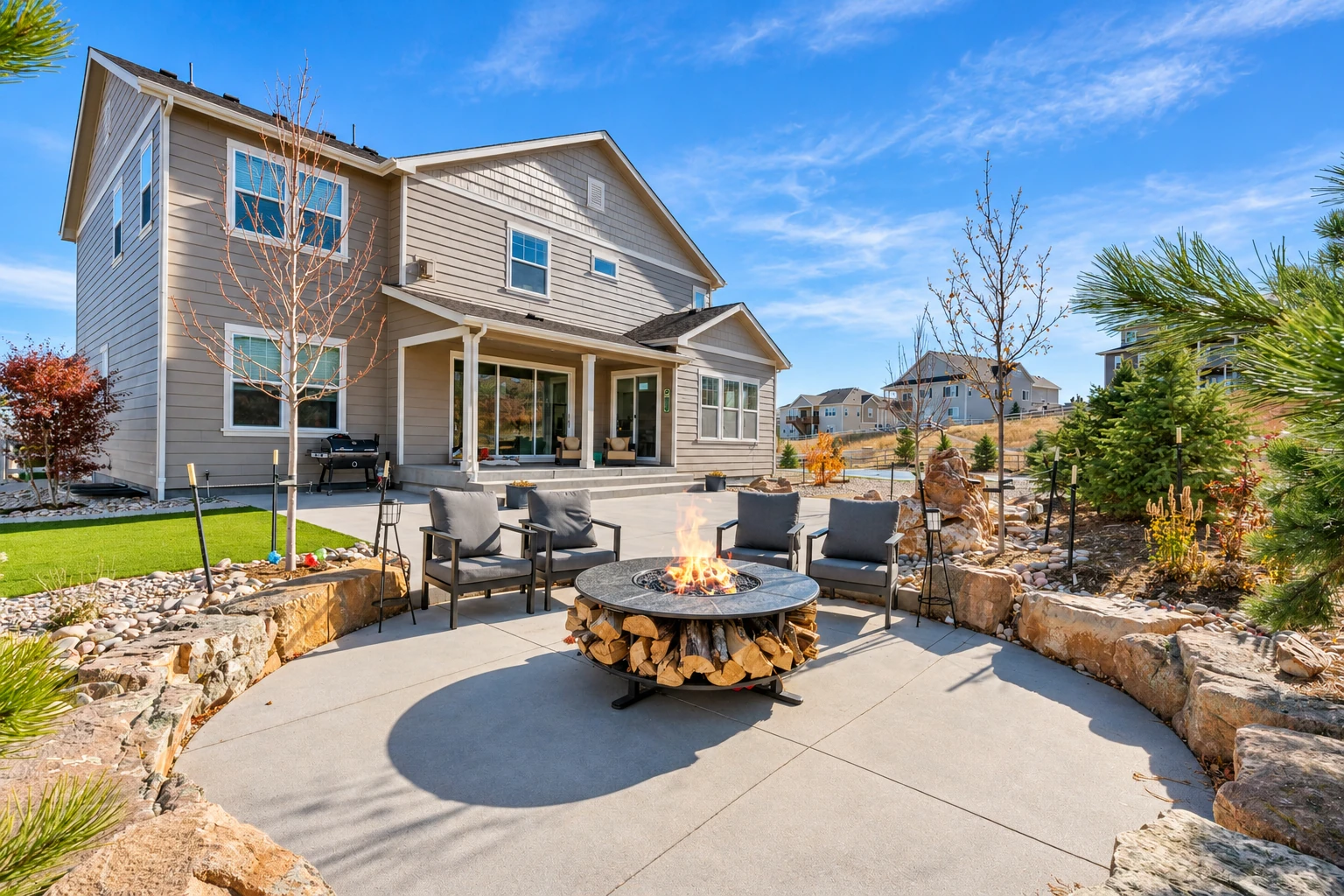
Concrete patio construction in Long Beach means we form, pour and finish a flat outdoor slab that slopes water away from your house and has a texture that's safe to walk on when it's wet.
Most people who call us have an old patio that has cracked, sunk or started pooling water, or a bare yard they'd like to finally use. The price moves mostly with the size, how much old concrete has to come out first, and the finish and color you choose, because a plain texture takes less labor than stamped or colored work. The schedule depends on the permit when one applies, the weather on pour day and the curing time, the wait while the concrete hardens before it can take weight. I come out, look at the site with you and write the estimate myself, so you'll have your own figure in writing with the work spelled out.
I come out to each job, measure, ask how you plan to use the patio and write the estimate, so the person pricing your work is the same one answering to you for it.
We're fully licensed and insured. Long Beach issues permits to contractors who hold a valid California State Contractor's License and an active Long Beach Business License, so ask any contractor you're weighing for both.
Our own crew does the work and I'm usually there for the pour, because I spent years fixing other people's shortcuts on cracked walks and tired slabs and want yours to hold up.
We start where most of the decision lives, with the finish and the color method, and I'll talk you through how each one looks, how it wears and how much care it will ask of you over the years. Then we mark out the patio, take out any old concrete, set the forms and plan the slope so rain runs away from the house instead of toward it. We pour in the cooler part of the day when we can, because concrete that dries too fast in the sun can end up with a weak, dusty top. Once it's smoothed, we put on the finish you picked, then cut control joints, the straight grooves you see in a slab, so that when concrete shrinks and cracks it does so along those lines and not across the middle. After that the slab needs time to cure, setting and hardening slowly toward its full strength, and I'll tell you when it's ready for foot traffic and furniture.
Many patio plans reach a little further. If you'd like the look of stone, slate or brick in the slab, that's our stamped concrete services, and we'd plan the pattern and color along with the patio from the start. A patio usually needs a way to reach it too, so we can run a path from the driveway or side gate through our concrete sidewalk building work, matched to the patio's finish. We do this work across Long Beach and many of the cities around it.
Long Beach Building and Safety issues permits for most construction, and its exempt list names unroofed walks and platforms 30 inches or lower, not patios, so we check yours with them before we price it.
If your house sits in a historic district or a coastal zone, the city says additional zoning requirements may apply, so we look into that before your design is settled.
Long Beach requires Low Impact Development standards on projects that create, add or replace 500 square feet or more, so a large patio, new or a replacement, may have to meet them.
A patio cover or gazebo needs a permit in Long Beach, so please tell me if one is in your plans. When a permit is required, we handle the application and meet the inspector.
We reply within one business day to set a time, then I come out, look at the space with you and give you a written estimate, free and with no pressure to book.
A rough length and width, even paced off, lets me think about layout and slope before I arrive, and it tells me how much forming and concrete the job will take.
Broom, stamped or colored, a rough idea helps us use the visit well, because the finish and color method are most of what we'll decide together.
If a patio cover or gazebo might come later, please mention it, because it can change where the slab goes and what we check with the city first.
These examples show broom, stamped and colored finishes and a few patio layouts, so you can point to what you like when we talk.
Here are plain answers to what Long Beach homeowners ask most before they decide on a new concrete patio.
A concrete patio in the Los Angeles area usually costs about $4 to $18 per square foot, including materials and labor. Stamped or colored work, old concrete to remove or a hard-to-reach yard push a job toward the higher end. Your own figure comes from our free on-site estimate, written out with the work spelled out.
A concrete patio averages 30 to 50 years of life, against 25 to 35 years for brick pavers, and it costs less per square foot on average. That makes concrete the longer-lasting choice of the two for most yards. How well it's built and cared for has a lot to do with which end of that range you see.
For a busy patio, I usually lean toward integral color, because it runs through the whole slab and a chip shows the same color, though the tones stay softer. A color hardener gives richer color and a harder surface, but deep damage shows gray and an uneven job looks blotchy. One field guide also advises resealing stamped concrete every 2 to 3 years.
A broom finish is the surest choice, because the texture brushed in after the concrete is smoothed gives your patio a non-slip surface. Stamped, colored and exposed aggregate finishes need much more care and experience to get right, so on those the crew's decorative skill matters more. We'll go over each one together at the estimate.
Nobody can honestly promise a slab won't crack, but I can tell you about one cause. Clay soils can swell as they soak up water from irrigation or rain, enough to lift and crack a patio slab, according to a California soil guide. Your home buyer's disclosures, the building department or a soil engineer can tell you if your yard has that soil.
Thank you for reading, and calling (562) 269-3293 or sending the form early leaves time to settle city steps before the pour.