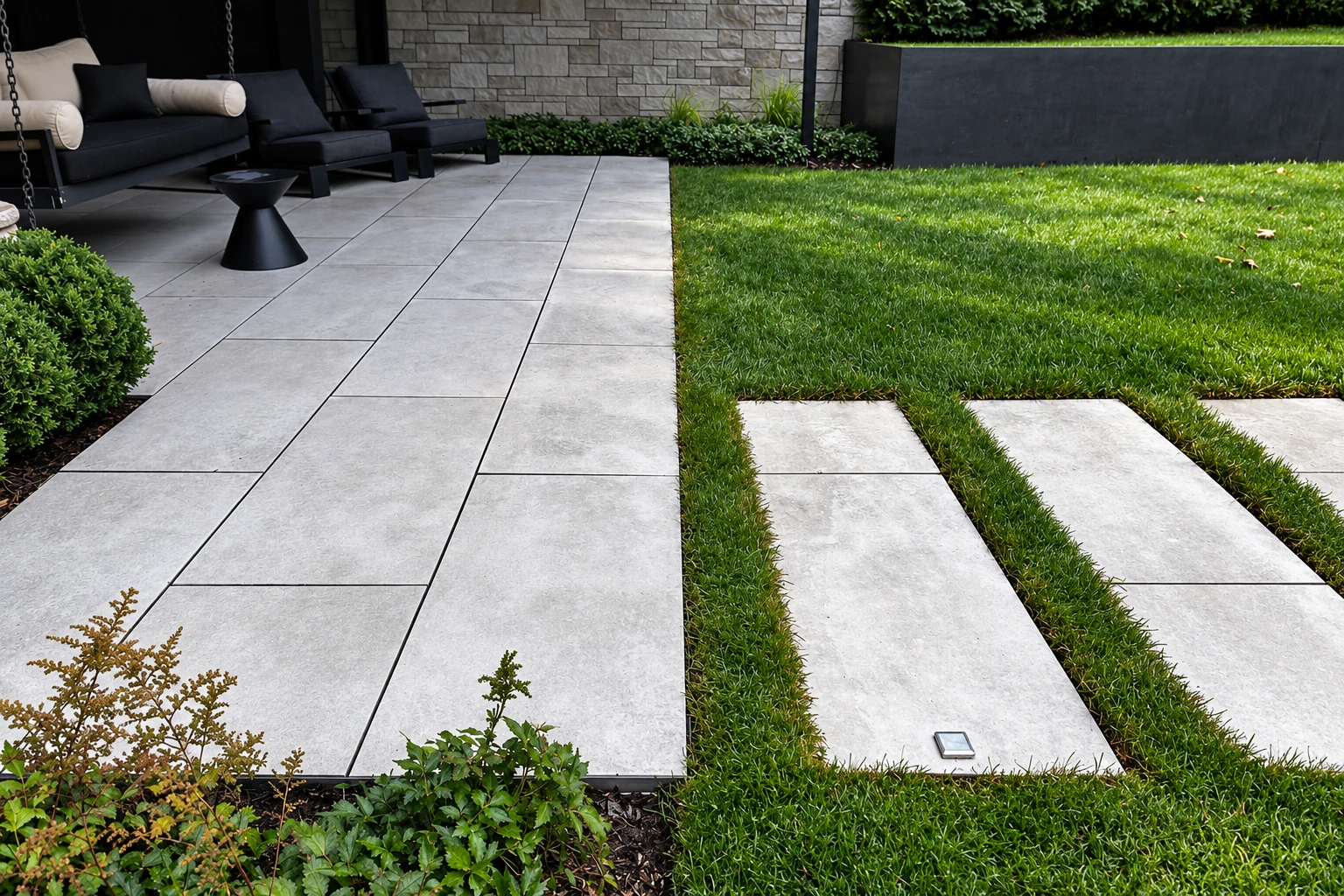
Concrete driveway building
We break out the old driveway, dig down to firm ground and pack a new base before the pour, because most sunken, cracked driveways we see failed underneath first.
Advantage Long Beach Concrete Company pours driveways, patios, walks and other concrete for homes and properties in Downey, CA. We're based in Long Beach, and our own crew does the work from tear-out to final finish.
Downey is mostly a city of single-family homes, with apartments and condominiums making up the rest, going by the city's older housing records. Most of our calls here are for flatwork, the driveways, patios and walks that sit at ground level, and much of it is old concrete that has settled, cracked or started holding water after years of use. Apartment owners and property managers call us for walks and parking areas too. It's the same work we do next door in Bellflower and Paramount, and down in Carson.
The price here depends on the size and thickness of the slab, how much old concrete has to come out, how much work the ground needs before we pour and the finish you pick. The schedule turns on the permit, the weather on pour day and curing, the wait while new concrete gains strength before you walk or drive on it. After I see the job, you get a written estimate with each of those spelled out. On these lots, the soil under a tired driveway usually tells me more than the surface does, because a slab only stays flat as long as what it sits on stays put.
I visit each property myself, look at the old slab and the ground under it, and write the estimate. Our own crew does the work, and I'm usually there for the pour.
Before we price your job, we ask the city's Building and Safety Division what it calls for. When a permit is needed, we handle the application and meet the inspector on site.
If a budget gets tight, I'd rather trim the finish than the base, the dug-out, packed ground the slab sits on, because a nice surface on a soft base settles and cracks anyway.
We break out the old driveway, dig down to firm ground and pack a new base before the pour, because most sunken, cracked driveways we see failed underneath first.
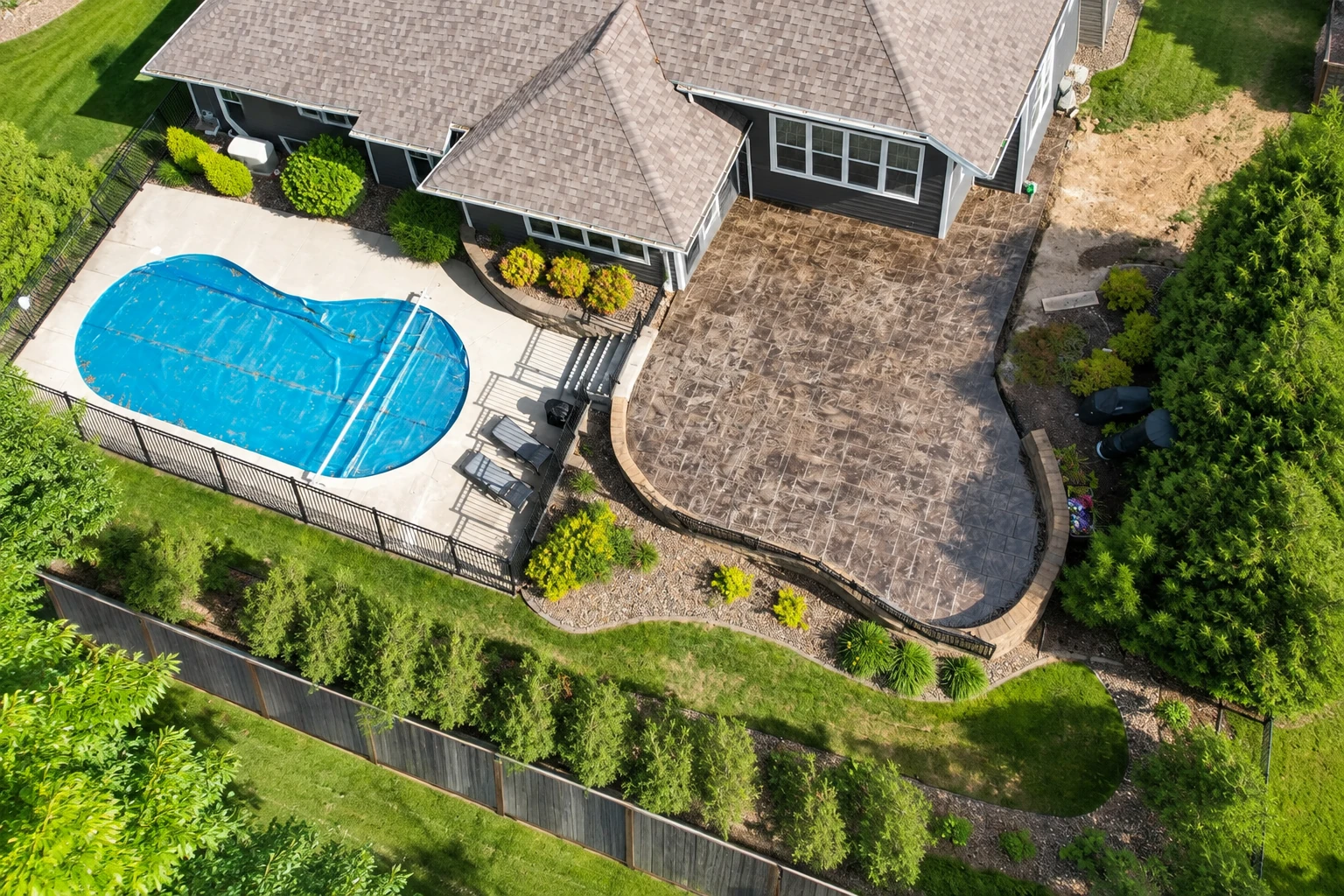
For back patios, we set the slope away from the house before anything is poured, so rainwater runs off toward the yard instead of pooling against your walls.
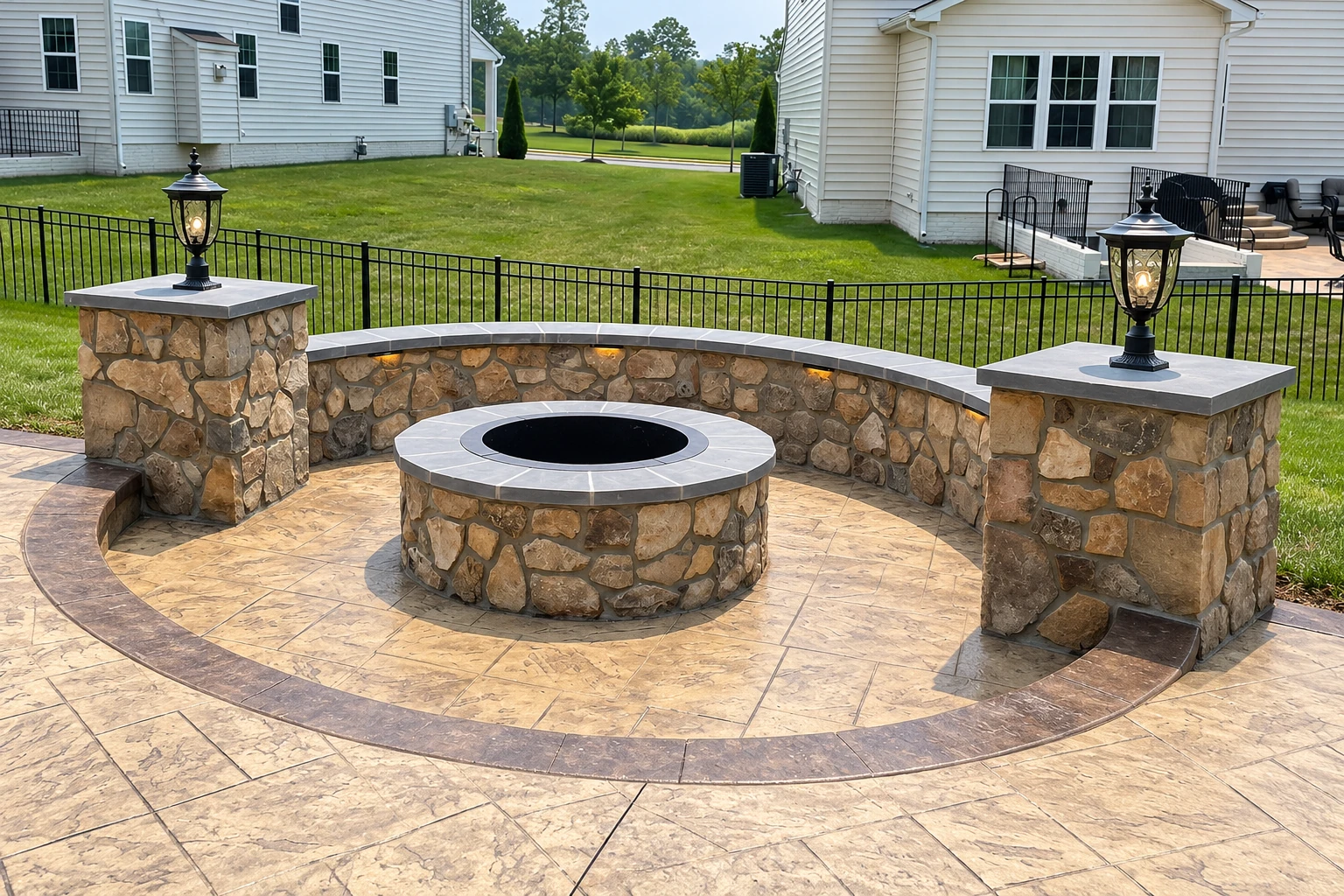
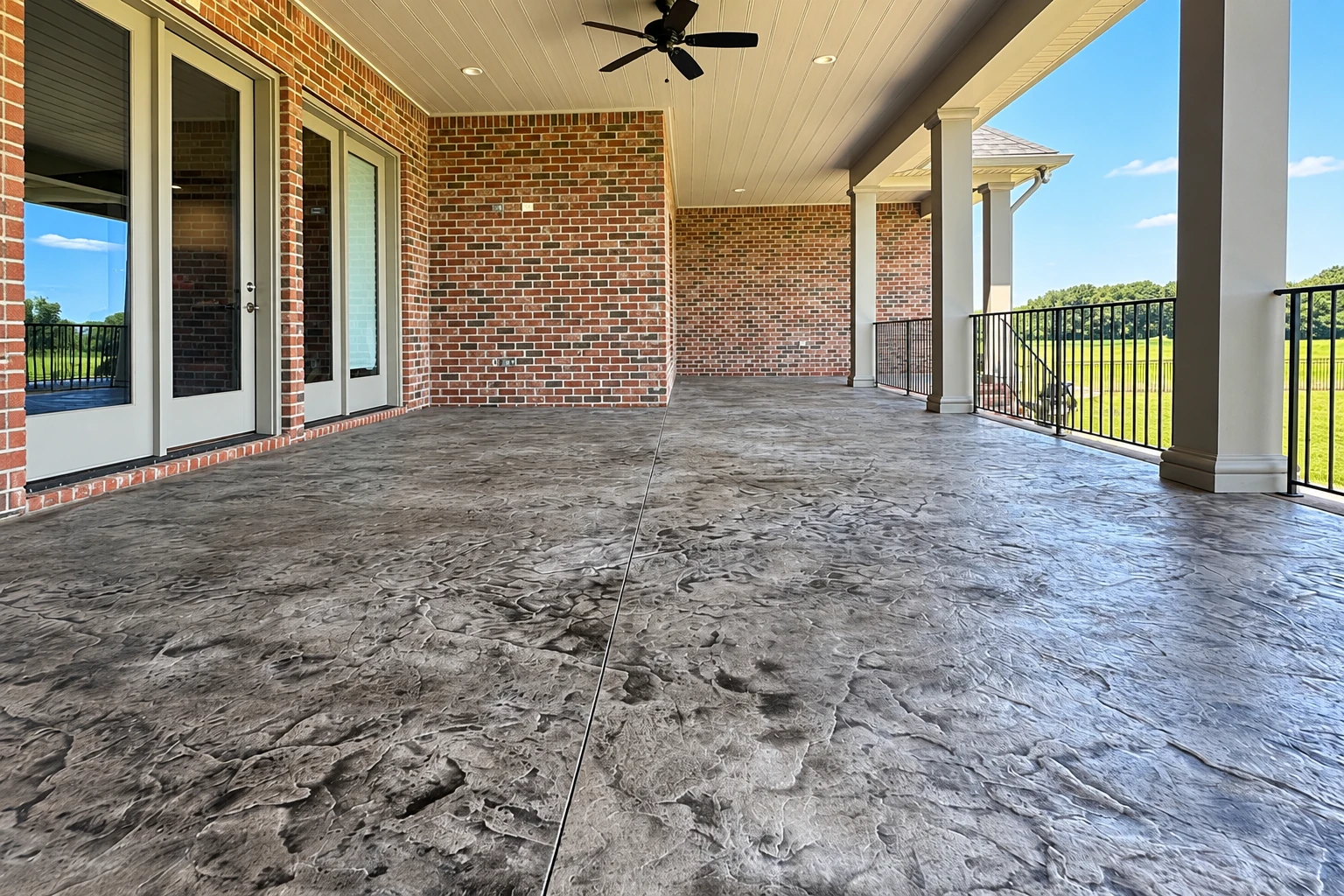
Stamped concrete gives a patio or walk the look of stone or brick in one pour, and we seal it so the pattern and color hold up to everyday use.
We replace front walks and side paths that have lifted, cracked or turned into trip hazards, and we slope each one so water runs off instead of sitting on it.
A garage floor carries cars, oil and dropped tools, so we pour it on a packed base, thick enough for the load, and trowel it smooth for easy sweeping.
Colored, scored or exposed-aggregate finishes can dress up an entry or patio, and we talk through how each one handles foot traffic and cleaning before you choose.
Where a yard steps down or soil pushes against a slab, a concrete retaining wall holds the ground in place, with drainage behind it so water doesn't build up.
We pour interior concrete floors for additions, workshops and utility rooms, getting the base and moisture protection right first so the floor stays flat under whatever goes on it.
Pool decks see wet bare feet every day, so we give them a slip-resistant finish and slope them so splash water drains away from the pool and the house.
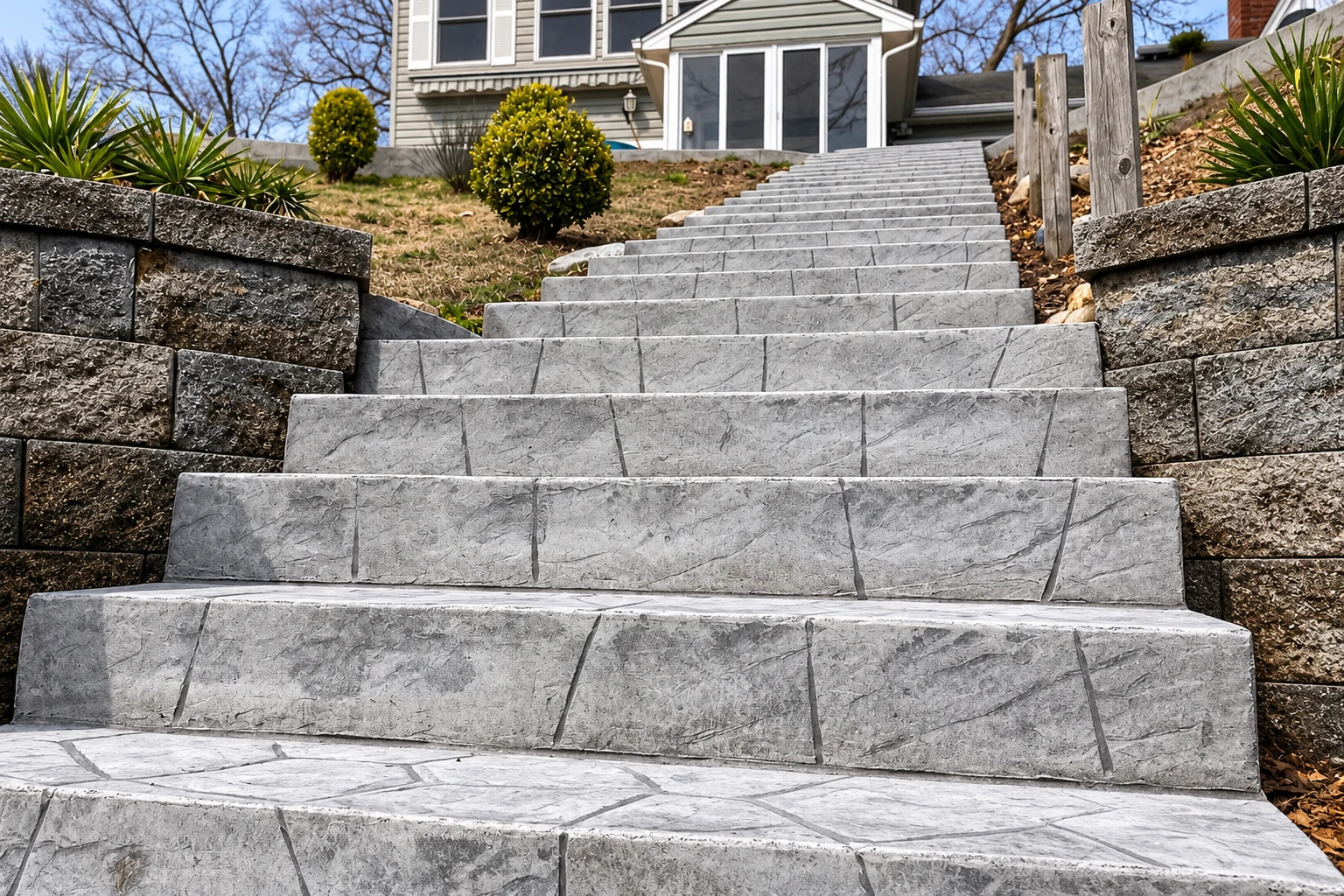
We rebuild crumbling or uneven entry steps with rebar, the steel rods that hold the concrete together, and even risers so every step feels the same underfoot.
For an addition, garage or accessory building, we dig, form and pour the slab foundation to the plans, and we meet the inspector on site when a permit requires it.
We form and pour new foundations for additions and outbuildings, starting with a careful look at the ground, since a foundation is only as steady as what's under it.
Apartment owners and property managers call us for parking areas, sloped so water drains off and given a broom finish, a brushed texture that helps tires grip.
Footings are the buried concrete that carries a wall, post or column, and we size and place them to the plans so the load spreads into firm soil.
When a slab or foundation has sunk and doors stick or floors slope, we look at why it moved and lift it back toward level where the ground allows.
We saw-cut concrete for new openings, drain lines or partial replacement, so a damaged section can come out cleanly without breaking up the slab around it.
Send the form and we'll reply within one business day to set a time. I'll come out, look at the job and give you a written estimate, with no obligation to book.
I measure the area and check the old concrete and the ground in person, because a fair price depends on what's under the slab as much as on its size.
Your estimate spells out the tear-out, base work, thickness and finish, so you can compare it line by line with any other bid you get.
Take the estimate, think it over and ask whatever questions you like. If you decide to go ahead, we'll set the pour date together then.
Here are the questions Downey homeowners ask us most about permits, licenses and new concrete, with the clearest answers I can give.
Most likely, yes. The city's permit information says that generally, new construction, alterations and repairs need a permit, and hardscapes, the paved work around a house, are on its list. Permits are issued at the Building counter in Downey City Hall, and applications can also be filed online. We check what your job calls for before we price it and handle the application when one is needed.
Yes, if you live in the single-family house the work is for. Downey issues building permits to licensed contractors or to an owner-builder living in that home, but permits for apartments, condos, duplexes and townhomes go only to licensed contractors. Either way, a permit lapses if work doesn't start within 12 months of issue or stops for 180 days.
Yes. The city requires a business license for any business working in Downey, including contractors with offices outside the city, and a contractor pulling a permit needs a current one, which can be paid for when the permit is issued. We're based in Long Beach, so that rule covers us when we work here, and it's a fair question to ask anyone who bids your job.
Concrete can still crack, but a well-built driveway cracks less and in the places we planned. Most old driveways we tear out failed underneath, on a base that was raked level instead of dug out and packed. We pack the base firm, cut control joints on time, grooves that give the slab a straight line to crack along, and keep you off it until it has cured.
These are the cities with their own page on our site, not the only places we work. If yours isn't listed, call or send the form and ask.
Thank you for reading, and please call (562) 269-3293 or send the form with a short note about the job so I can plan my visit.