Built for the traffic it carries
A parking lot is designed for the vehicles that will use it, whether that's light cars, heavy trucks or a broad mix, because each kind of load asks something different of the slab.
If your lot is cracked, sinking or holding water, or it needs to handle trucks, we build concrete paving planned around what drives on it.
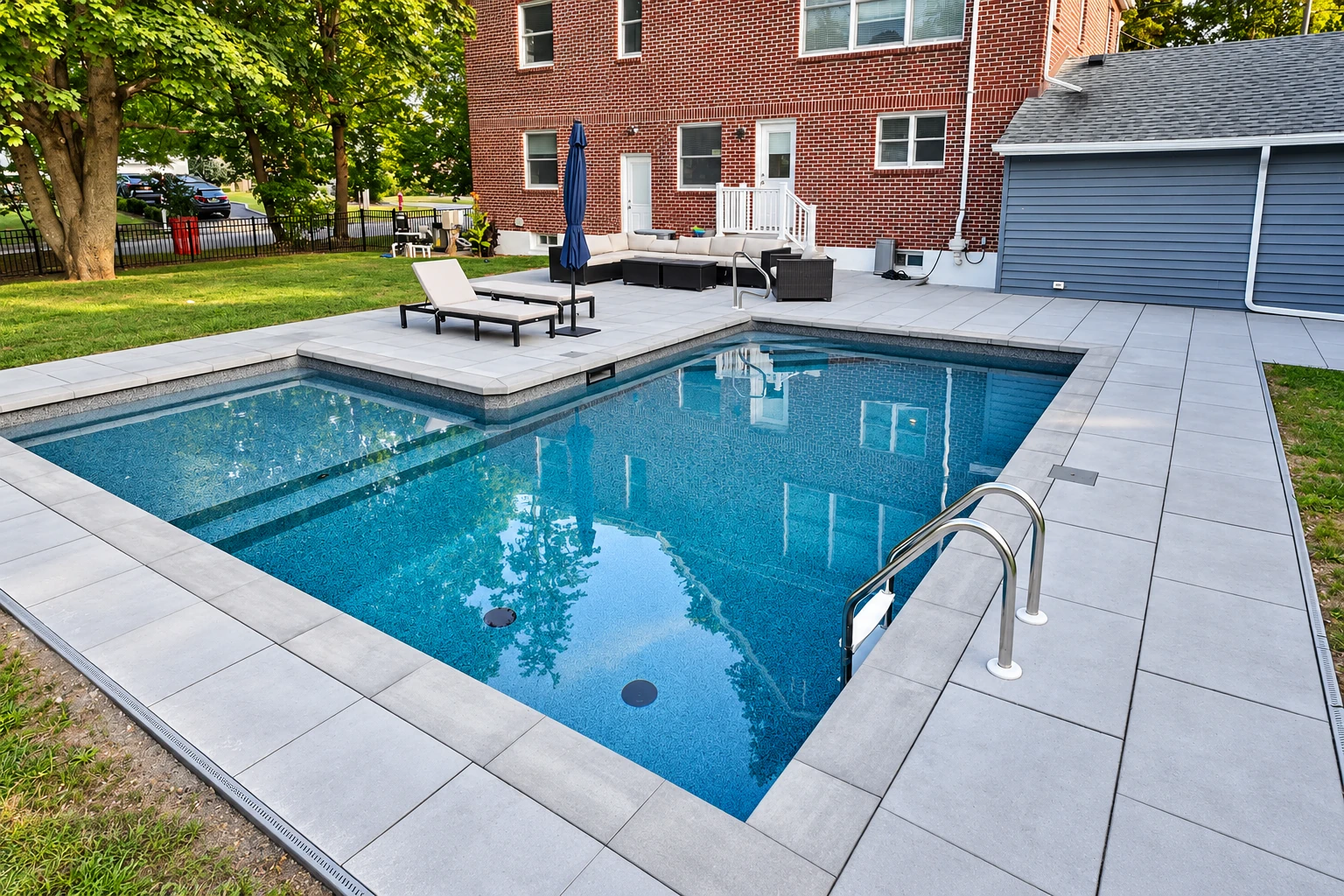
Concrete parking lot building in Long Beach means planning and pouring a paved lot designed for the vehicles it will carry, from everyday cars to heavy trucks or a mix of both, so it handles its traffic without wearing out early.
We're based in Long Beach and work across it and many of the cities around it, and most of the lot calls I get come from owners and property managers whose paving has cracked, sunk in spots or started pooling water, or who need parking for a new or busier building. The price moves with the size of the lot, the vehicles it has to carry and how much old paving has to come out, and the schedule turns mostly on any city review the project needs and the weather for the pour. Your written estimate spells out the work and gives you the figure for your own lot.
Before I started this business in Long Beach in 2021, I spent years fixing cracked walks and tired slabs for a property management company, so I build to avoid the shortcuts I used to repair.
I come out to look at every lot and write the estimate myself, our own crew does the work, and I'm usually there for the pour, so the person who planned it sees it done.
The state licensing board lists pavement and flat concrete among the work of a concrete contractor, and we're fully licensed and insured to take it on. Your satisfaction, guaranteed.
My first question on any lot is what vehicles will use it, and if trucks are coming, we decide early where they'll drive so the layout and the price are built around them. I also measure the paved area at the start, since a larger lot can bring extra review from the city, and I check where water runs off the site so it drains away from buildings instead of pooling. On the job, our crew breaks out and hauls away any old paving, sets the forms and pours early in the day, because concrete placed in midday heat can end up with a weak, dusty top. We give the surface a broom finish, a light ridged texture that gives tires and shoes some grip, and cut control joints, the straight grooves that give the concrete a planned place to crack as it shrinks. Then we keep traffic off while it cures and gains strength, and we clean up before you open the lot.
A lot often comes with other concrete work around it. Light poles, signs and low walls at the edges sit on concrete footings, which we can pour as part of the same project, and if a building beside the lot has started to settle, we can look at foundation raising before new paving goes in against it.
A parking lot is designed for the vehicles that will use it, whether that's light cars, heavy trucks or a broad mix, because each kind of load asks something different of the slab.
When a lot serves both cars and heavier trucks, national industry guidance favors traffic controls that channel trucks away from car areas, which makes for a more economical and sustainable design.
On lots with light loads, the biggest upkeep question is often how well the concrete itself holds up, since fuel and oil leaking from parked cars take their toll over the years.
Both homeowners and property managers call us, and a lot behind a shop or apartment building has to work for tenants, deliveries and upkeep, so we lay it out with all three in mind.
Send the form or call, and we'll reply within one business day to set a time. I'll come out, measure the lot, ask about your vehicles and give you a free written estimate with no obligation.
The site address, the rough size of the lot and the vehicles it will serve let me plan the visit and start thinking about the layout before I arrive.
Your estimate lists the work clearly, so you can compare it fairly with other bids and know what our crew will do from the first day through cleanup.
If the timing or the budget isn't right yet, that's perfectly fine. Take the estimate, think it over and call when you're ready, because I'd rather you be sure than rushed.
Example photos of broom finishes, joint layouts and paved site areas, to help you picture the surface and layout you'd like for your lot.
Here are the questions property owners ask me most about cost, permits, city rules and how a concrete lot holds up over time.
Reinforced concrete slab pours in the Los Angeles area usually cost about $8 to $15 per square foot. That's the usual market price for the slab work, not a quote from us. The figure for your own lot comes in my written estimate after I've seen the site and measured it.
You may, and we check with the city's permit office before we price your job. The Public Works Private Development team issues permits for driveways and other work in or next to the public right-of-way, though its list doesn't name parking lots. When a permit is required, we handle the application with the right office and meet the inspector on site.
Most new lots fall under the city's Low Impact Development rules, called LID, which apply to any project that creates, adds or replaces 500 square feet or more. Sites of one acre or larger need a stormwater pollution prevention plan, usually reviewed with the grading plans. If your site sits outside the city's Parking Exempt Area, zoning rules for off-street parking shape the layout.
A concrete lot designed and built for parking use can give satisfactory service for many years with little maintenance, according to national industry guidance on parking lots. The design is what matters, because a lot made for how it's actually used is what keeps it economical over time. That's why the vehicles question comes first when I look at your site.
Yes, concrete lots generally stay cooler at the surface than asphalt lots, which helps reduce the extra heat that builds up over paved parts of a city. Please treat that as a general trait of concrete rather than a promise about one lot. If you're weighing the two surfaces, it's one point in concrete's favor, and I'm glad to talk through the rest on site.
Thank you for reading, and please call (562) 269-3293 or email projects@longbeachconcretecompany.com so I can see your site and start the city checks early.